

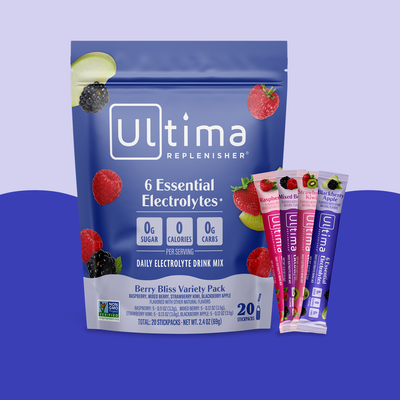




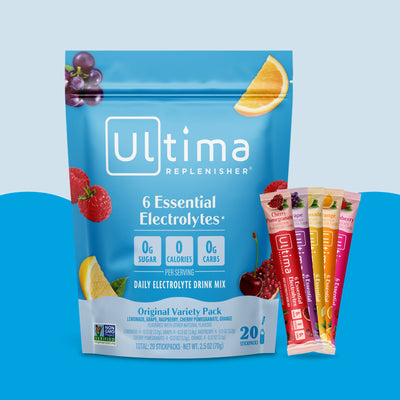
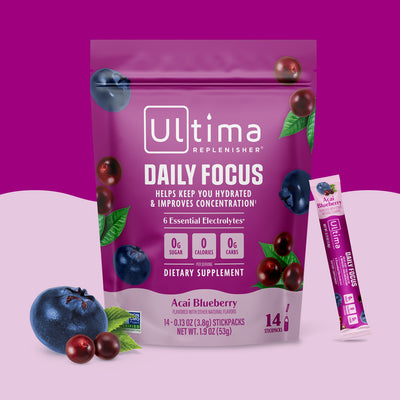
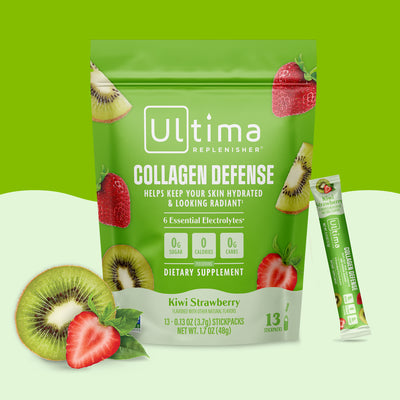


 Why Ultima?
 Electrolyte Recipes
 More
More

Benefits of Electrolytes: Everything You Need to Know
Do you ever get that low-energy slump that makes it harder to focus and get through the day? Water is essential, but sometimes your hydration routine needs a little more support. That’s where electrolytes come in.
Electrolytes are minerals with an electric charge. There are six main electrolytes: magnesium, sodium, potassium, chloride, calcium, and phosphates. These electrolytes move nutrients and waste out of your body, balance your water levels and acidity, and keep your tissues, muscles, and nerves working properly.
Electrolytes can be replenished by adding them to water and by eating foods that contain electrolytes.
Key Takeaways
- Electrolytes are key minerals found in certain foods and beverages that help your muscles, nerves, organs, and body fluids function at their best.
- Water alone provides fluid for daily needs, while electrolyte water adds charged minerals to help the body absorb and retain water more efficiently.
- Electrolytes play an important role in everyday hydration and may be especially helpful during exercise, hot weather, travel, or other times when you lose electrolytes.
- For everyday hydration, look for an electrolyte powder with all six electrolytes, zero sugar, and no artificial colors or sweeteners.
What are Electrolytes?
Electrolytes are essential minerals that help your body stay hydrated and support important everyday functions. They carry an electrical charge and are found in your blood, sweat, urine and other body fluids, where they help maintain fluid balance and support normal muscle and nerve function.
The six main electrolytes are:
- Sodium
- Potassium
- Magnesium
- Calcium
- Chloride
- Phosphorus
What Do Electrolytes Do?
Electrolytes are responsible for many functions throughout your body, including:
- Supporting everyday hydration - Electrolytes move water and nutrients into cells in your body’s tissues and organs, and help remove waste products from your cells
- Helping muscles and nerves do their thing - The body uses electrolytes to send signals that support muscle and nerve function, which help control movement and responses, and keep your blood pressure and heart rate steady
- Supporting normal energy production - Your body relies on electrolytes to help create energy in cells. When electrolyte levels are low or imbalanced, fatigue and muscle weakness may occur.
- Preventing cramps during exercise - Sweating depletes electrolytes like calcium, magnesium, and potassium. When these electrolytes are depleted, your muscles may experience weakness, spasms, and painful cramps, making physical activity exhausting.
What is an Electrolyte Imbalance?
An electrolyte imbalance occurs when one or more minerals in the body are too high or too low, disrupting normal body functions and causing the amount of water in the body to change. There are several reasons why an imbalance may occur.
Causes of an Electrolyte Imbalance
Some potential causes of a mild electrolyte imbalance include:
- Exercise and heavy sweating - Intense or long-duration physical activity depletes minerals in the blood and tissues faster than normal daily activity
- Illness or digestive upset - Vomiting and/or diarrhea can cause significant fluid and mineral losses
- Poor diet - Not eating enough mineral-rich foods may create gradual electrolyte deficiencies
- Hot weather or travel - Heat can accelerate sweating, leading to fluid and electrolyte loss. Inadequate fluid intake when traveling for long periods of time can also contribute to losses
- Alcohol or caffeine - These substances act as diuretics, increasing fluid loss that may speed up mineral depletion
What are Healthy Electrolyte Levels?
What is considered to be a healthy electrolyte level varies slightly from one lab to another. Generally, the normal reference ranges for electrolyte levels in adults are:
- Sodium: 136-146 mEq/L
- Magnesium: 1.5 - 2.0 mEq/L
- Chloride: 95 - 105 mEq/L
- Potassium: 3.5-5.0 mEq/L
- Calcium: 8.4 - 10.2 mg/dL
- Phosphate: 3.0 - 4.5 mEq/L
What are the Best Sources for Electrolytes?
Electrolytes come from a variety of sources, including foods, beverages, and electrolyte drink mixes. While many people get electrolytes through a balanced diet, electrolyte beverages and drink mixes can be a convenient way to support hydration, especially during exercise, travel or other times when you may lose more fluids.
What Drinks Have Electrolytes?
Many beverages contain electrolytes, either naturally or by adding electrolytes to them. Here are some tasty options to add to your daily routine:
- Electrolyte powder mixed with water: A very effective choice because you get a variety of minerals and know exactly how much of each electrolyte you’re getting daily. Another bonus is that you’re not likely to get tired of them because there are so many tasty flavors to choose from.
- Coconut Water: A natural source of potassium, calcium, sodium, and magnesium. Keep in mind that unsweetened coconut water does contain some naturally occurring sugar (about 10 grams per cup), and some brands may contain added sugar.
- Milk: Like coconut water, it’s a natural source of calcium, potassium, magnesium, and sodium. Unflavored milk also contains naturally occurring sugar (about 12 grams per cup)
- Plant-based milk: The electrolyte content will vary depending on the type of plant-based milk you choose (soy vs. almond vs. oat, etc.). Of the plant-based milks, unsweetened soy milk usually has the most electrolytes.
- Fruit juice: Certain types of 100% juice (like orange, grapefruit, tart cherry, and tomato) contain potassium, magnesium, and phosphorus. The sugar content will be much higher in juices, and only tomato juice will contain sodium.
- Lemon water: Although lemons contain some potassium, calcium, magnesium, and sodium, the amount is very small. While lemon water is a refreshing way to increase your fluid intake, it doesn't provide enough electrolytes to be considered a significant source.
What Foods Have Electrolytes?
Eating whole foods is a natural and easy way to help maintain electrolytes in your body. Choose from a variety of these foods each day.
|
Electrolytes |
Foods |
|
Calcium |
Milk, fortified plant-based milks, cheese, yogurt, edamame, almonds |
|
Magnesium |
Pumpkin seeds, chia seeds, almonds, peanuts, black beans, spinach |
|
Potassium |
Lentils, acorn squash, baked potato, kidney beans, banana, milk, spinach |
|
Sodium |
Pickles, salted nuts and seeds, cottage cheese, cheese, tomato juice |
|
Phosphorus |
Yogurt, milk, salmon, cheese, chicken, lentils |
|
Chloride |
Seaweed, tomatoes, celery, olives |
What is the Best Electrolyte Supplement?
When choosing an electrolyte supplement, there are several factors to consider. Look for these features:
- All six electrolytes. Some electrolyte supplements only contain sodium and potassium. Electrolytes have different functions in your body, so getting all six of them helps your body function at its best.
- Low in sodium. Most people get more sodium than is recommended, so choosing an electrolyte supplement with less sodium is good for your overall diet.
- Zero sugar. Avoiding sugar in a supplement will support daily hydration without adding calories or causing a blood sugar spike.
- No artificial colors or flavors. Simple ingredients without artificial colors or flavors.
- Plant-based ingredients. A natural source of tasty flavors.
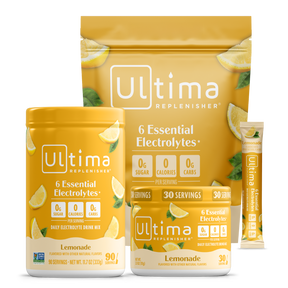
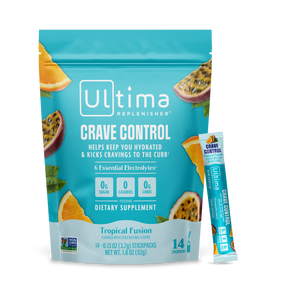
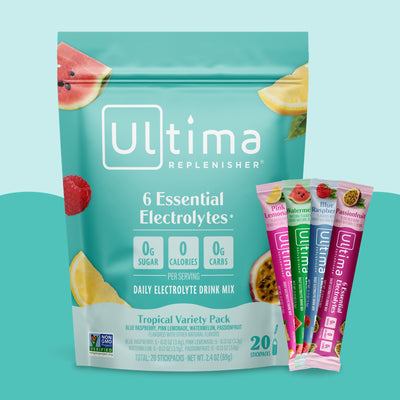
Ultima Replenisher electrolyte supplements check the box for all of these criteria when choosing an electrolyte supplement.
Is it Possible to Test for an Electrolyte Imbalance?
It is possible to diagnose an electrolyte imbalance. Your doctor will either physically examine you or request a blood or urine sample to test electrolyte levels.
If the electrolyte deficiency is thought to be particularly severe, your doctor may recommend imaging, like an electrocardiogram, X-ray, or ultrasound.
Should I Drink Electrolytes Every Day?
Electrolytes play an important role in everyday hydration and are naturally lost throughout the day through normal body functions like sweating and urination. While many people get electrolytes from the foods they eat, others choose an electrolyte drink mix as a convenient way to help support their daily hydration routine.
Times when an electrolyte drink mix may be especially helpful:
- As part of your daily hydration routine
- Before or after exercise
- During hot weather
- When you're traveling
- During times of increased fluid loss, such as during certain illnesses (always follow your healthcare provider's guidance if you're ill).
Electrolyte Benefits FAQs
Are electrolyte drinks safe?
Electrolyte drinks are generally safe for healthy people when used in moderation or during heavy sweating, intense exercise, or illness. People with certain medical conditions should talk with their doctor before using electrolyte supplements.
How often should you drink electrolyte water?
It is generally safe for healthy people to drink electrolyte water once daily or as needed for intense exercise, heavy sweating, or during illness. Talk with your doctor if you are experiencing an illness that causes vomiting or diarrhea.
What is the healthiest electrolyte drink?
An electrolyte drink that contains all six electrolytes (calcium, magnesium, potassium, sodium, chloride, and phosphorus) is ideal, and one that is low in sodium and has no sugar, artificial colors, flavors, or sweeteners.
Sources:
- National Library of Medicine Medline Plus. Fluid and Electrolyte Balance.
- Iqbal S, Klammer N, Ekmekcioglu C. The Effect of Electrolytes on Blood Pressure: A Brief Summary of Meta-Analyses. Nutrients. 2019 Jun 17;11(6):1362. doi: 10.3390/nu11061362.
- National Library of Medicine Medline Plus. Magnesium Deficiency.
- National Library of Medicine Medline Plus. Low Blood Potassium.
- Cleveland Clinic. Electrolyte Imbalance.
- National Board of Medical Examiners. Laboratory Values.
- U.S. Department of Agriculture. FoodData Central.
- National Institutes of Health. Vitamin and Mineral Supplement Fact Sheets.
- Michigan State University. Chief Complaints and Concerns: Electrolyte Disturbances.
- Harvard T.H. Chan School of Public Health. Electrolyte Drinks.